

Bachelor’s Degree in Global Fashion Design (BGFD)
Program Description
The Bachelor's Degree in Global Fashion Design program equips participants with the skills to design and create wearable fashion collections that respond to the evolving needs of the international fashion and luxury industries.
Fashion designers are the driving force behind creative ideas and emerging trends — not only in clothing, but also in fabric innovation and development. They design collections informed by a deep analysis of materials and textiles, drawing inspiration from art, design, creativity, and fashion.
This course introduces the fundamental techniques of fashion design and illustration, while exploring fabric analysis, garment construction, and the history of dress. Students will develop a comprehensive portfolio that integrates modern technologies with an ethical approach to fashion, preparing them to respond to the evolving demands of the industry.
- Mode of Study: Online
- Credits: 180 ECTS
- EQF / MQF Level: Level 6
- Intakes: September, January and April of each year
-
Awarded by: London College of Arts Malta (LCA)
Language of Instruction: English
Course Study Hours: 4500 hours
Mode of Assessment
Assessment will be conducted through a range of coursework types. Across the modules of this program, the range of coursework assessments will generally include, but are not limited to: Essays, Case Studies, Individual Reflective Learning Logs, Portfolios, Group Presentations, Critical Reflections, Group/Teamwork, Posters, Mood Boards, Drawing Sheets, Presentations, Project Proposals, and Reports.
Entry Requirements
The ideal learner to apply for the bachelor's degree program would be: (Note: Each application will be assessed on its merit.)
- High school certificate or equivalent (e.g., MQF Level 4)
- Minimum Age: 18 years.
- English Proficiency: IELTS 6.0+ (waived for native speakers or those educated in English).
- Digital literacy: Basic computing skills in word processing, spreadsheets, presentations, and internet usage.
- Creative interest in art, design, 3D modelling, or space planning.
- Mature learners: 3+ years of work experience may apply.
- Transfer Learners: Eligible for RPL at Level 5 with prior accredited qualifications.
Program Goals
The program learning goals:
- Independently source, navigate, analyse, communicate and apply extensive research material from a variety of sources to the development of responses to written and creative briefs.
- Independently analyse, reflect and evaluate critically, across different contexts and environments within Fashion Design industries; involving the different methods and principles employed within professional practice.
- Autonomously engage creatively in the generation, and realisation of concepts and solutions to Fashion Design briefs, relevant to context and audience; utilising innovation and informing professional outcomes.
- Demonstrate advanced application of current and emerging processes, tools, materials, digital mediums and technologies employed within Fashion Design Industries; enabling independent selection and use of appropriate tools, to create professional standard outcomes and solutions.
- Communicate professionally in presenting research, ideas, reasoned arguments, and design work in a range of situations, in visual, oral, and written forms, employing relevant IT skills where appropriate.
- Apply entrepreneurial skill, innovation and enterprise to positioning your own work and operating effectively within the context of the professional practice and environment of Fashion Design and related Fashion Industries.
- Independently manage yourself constructively, efficiently, and ethically addressing sustainability, in order to produce coherent, relevant and critical visual and written work, which conforms to specific conventions of referencing.
- Work effectively with others, through collaboration, collective endeavour and negotiation to achieve the shared objectives.
Program Modules
Year 1: Foundation in Fashion Design
Semester 1
- FAS400: Fashion Illustration & Textile Practices
- FAS401: Pattern Cutting & Garment Construction
Semester 2
- FAS402: Textile Technology
- FAS403: Computer-Aided Design
Year 2: Advanced Techniques and Sustainable Practices
Semester 3
- FAS500: Advanced Fashion Illustration - Men, Women, and Children's Wear
- FAS501: Sustainable Practices in Fashion
Semester 4
- FAS502: Fashion Collection, Material Selection & Specification
- FAS503: Advanced Fashion Draping
Year 3: Specialization and Professional Development
Semester 5
- FAS600: Creative Entrepreneurship, Branding & Visual Merchandising
- FAS601: Fashion Accessories and Surface Ornamentation
Semester 6
- FAS602: Design Project Management
- FAS603: Trend Forecasting & Fashion Styling
FAQs
Can i get some recognition/qualification if i dont finish the Bachelor degree 180 ECTS?
Yes. As per the course structure approved by the MFHEA we can issue credits for modules of study completed. For a complete list of Exit Awards click here.
Is the Bachelor degree accredited?
The Bachelor’s degree is accredited by the Malta Further and Higher Education Authority (MFHEA).
I have completed my Level 4/5 diploma in Fashion Design. Can i expect credits for my learning towards the bachelors?
Yes. The student will be required to submit their diploma and transcript during the admissions process and request RPL. The maximum credits can be given upto Level 5.
I would like to study details of what i will be studying in the bachelor degree program? Can you help?
Sure, you may download the details from here
What is the grading table for the bachelor program at LCA?
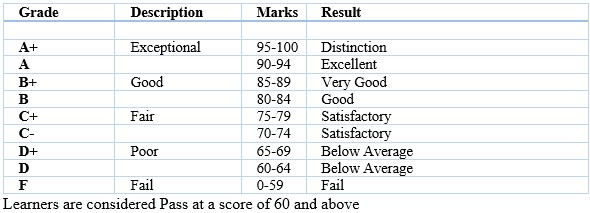
Please advise me the resit policy?

Learners are required to maintain satisfactory academic progress during their course of study. During the course of the program, the learner will gain information on his or her progress from tutorials, classes, and the results of coursework and assessments (assignments, examinations as applicable). The overall academic progress of a learner is monitored by his or her Faculty / Tutor. Learners may be required to submit one or more pieces of coursework during each module of study.
If any coursework falls below the pass threshold this will trigger remedial action to ensure that the learner is coping with the course. Learners who have generally passed the module may not apply for a resit/resubmission to better their grades.
A module is failed if:
- the work submitted for assessment is not of a high enough standard to gain an overall pass mark for the module, based on the weightings of individual tasks
- no work has been submitted by the relevant deadline
- the learner has breached the academic regulations and a penalty of failing the module has been imposed.
Learners may not progress to the next level of their program if they have not passed all compulsory modules at the previous level, and they cannot qualify for their target award if any compulsory modules are failed.
However, LCA Malta is committed to providing opportunities for learners who fail an assessment to retrieve their position.
Conditions to the same are:
- A learner who does not pass an assessment at the first sitting will have one opportunity to re-sit that assessment, within the appropriate re-sit period for the module
- The reassessment task will normally take the same form as the original assessment, unless this is impossible due to the nature of the task (in which case a suitable alternative assessment will be agreed with Academic Manager).
- The mark achieved at resit will be capped at the pass mark for the module.
- Where a learner is required to re-sit multiple assessment components within a module, then an overall judgment will be made about whether they have met the learning outcomes and, if so, the module pass mark will be applied to all the re-sat components.
- The full mark for any element of assessment passed at first sit will be combined with any capped marks achieved at resit, in accordance with weightings stipulated in the approved module specification.
- If re-sit opportunities are failed, a learner is eligible to re-take a failed module once, a fee will be charged for the same.
- Learners may only retake a module once, i.e. a module can be attempted a maximum of twice.
- Once an element of assessment has been passed, a learner is not permitted to resit that assessment;
Once a module has been passed, a learner is not permitted to retake that module.
Enquire About a Course
Student Testimonials
Our greatest accomplishments are the success stories of our students. Our students are our brand.
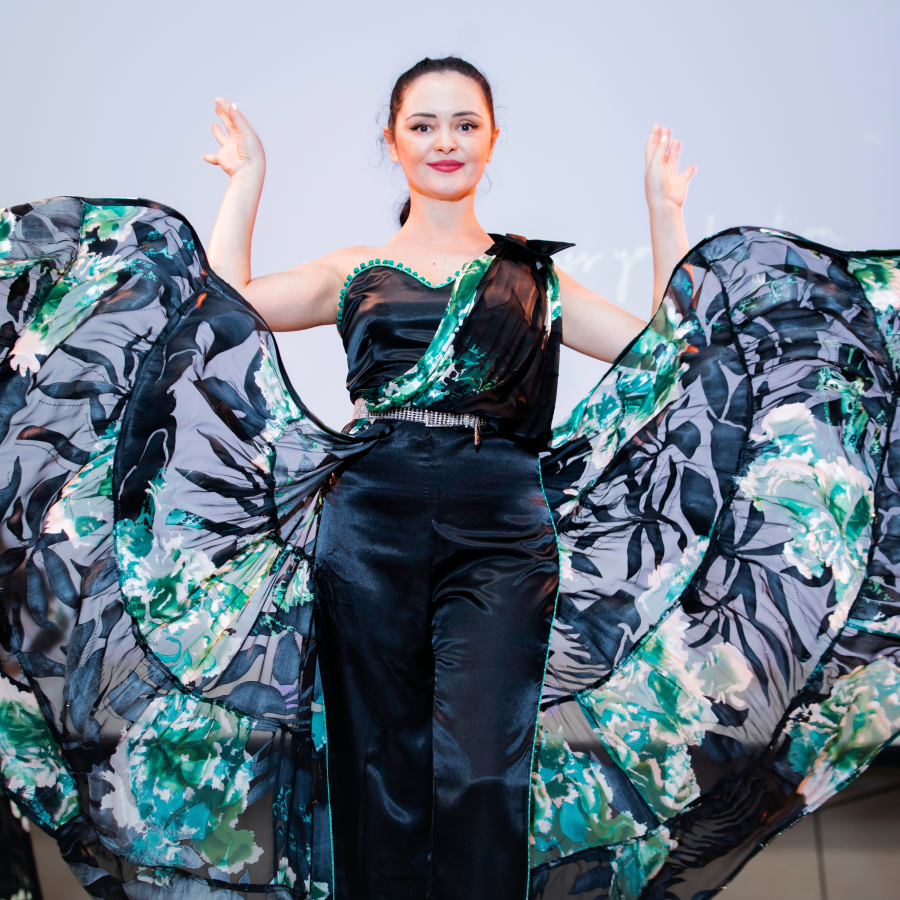
I am grateful to my teachers for their professionalism, patience, and dedication. LCA has given me opportunities to perform at fashion shows and grow as a designer. I highly recommend this college to everyone.
Aliya Student
"I was initially skeptical about enrolling, but LCA exceeded my expectations. The program gave us attention to every detail in Interior Design while making the learning journey fun. I highly recommend it to everyone."
Saher Pervaiz Student

"The best part of this course is that you don’t need prior qualifications—just passion for Interior Design. This program has been an incredibly rewarding experience. Thank you, LCA, for helping me start my career path."
Katayoon Jafari Student

"I wanted to learn more about the fashion industry—how it works, the people, the brands, and that’s exactly what happened. LCA not only teaches everything you need to know but guides you in the right direction to succeed."
Taiwo Victoria Student